For 2026, top smart home tech trends are focused on making homes more intuitive, integrated, and sustainable through widespread AI integration and universal connectivity standards like Matter. The goal is to move from a collection of “connected gadgets” to a truly “intelligent home” that anticipates user needs.
Key Smart Home Tech Trends for 2026
1. Predictive AI & Automation
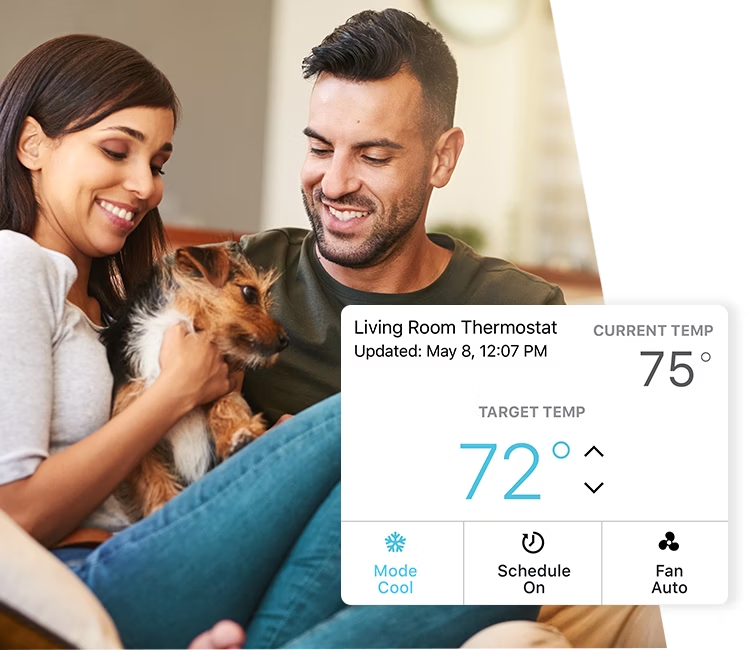
Smart homes are shifting from reactive (responding to commands) to proactive (anticipating needs). AI systems will learn user habits and adjust lighting, temperature, and entertainment systems automatically based on routines, weather, and occupancy, without manual input.
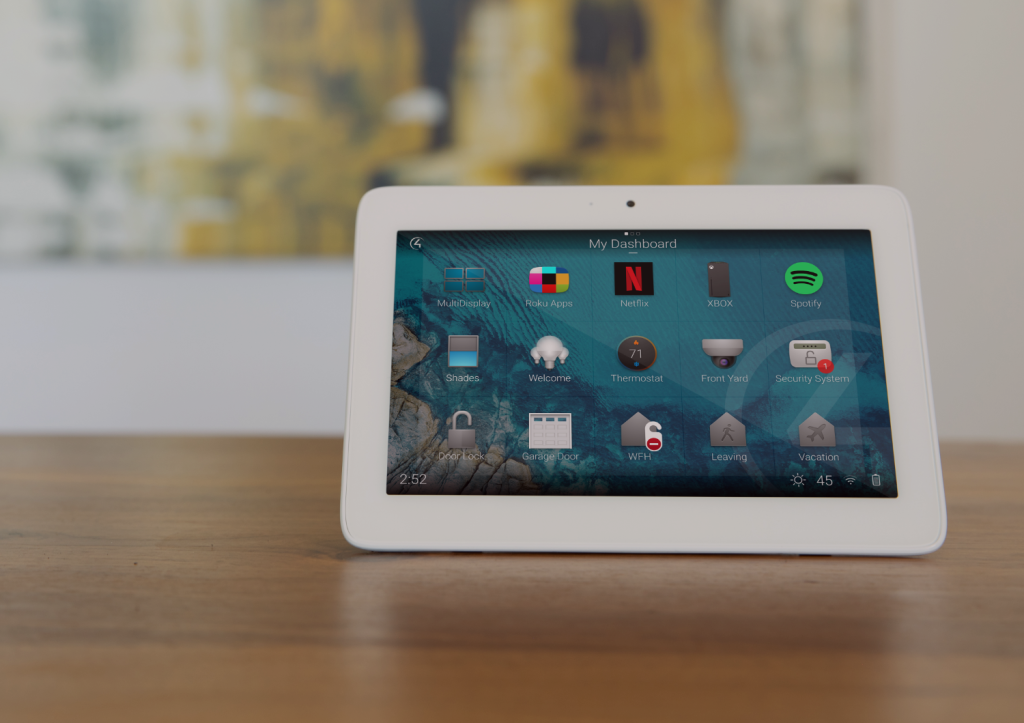
2. Seamless Interoperability (Matter Protocol)
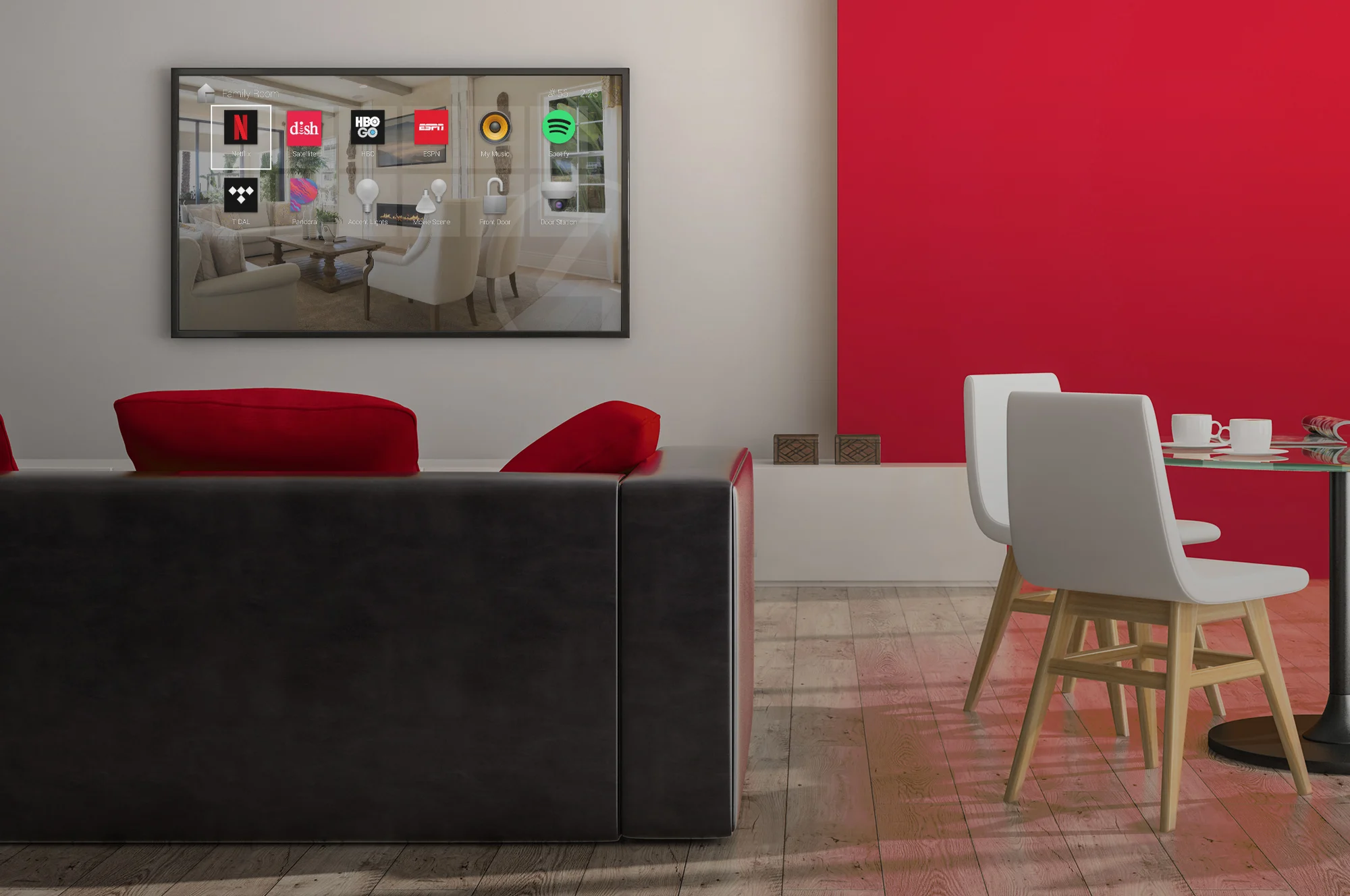
The widespread adoption of the Matter protocol is eliminating the pain point of fragmented ecosystems. This universal standard allows devices from different brands (like Apple, Google, and Amazon) to work together seamlessly, all manageable from a single app or dashboard.
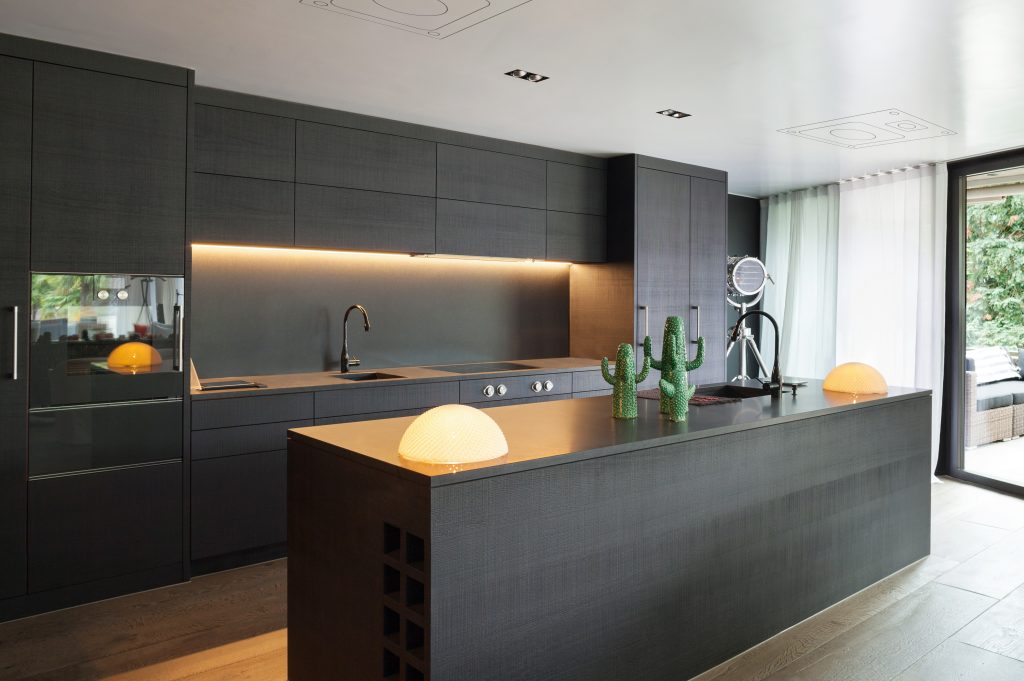
3. Smarter Energy Management & Sustainability
With rising energy costs, homes are becoming micro-power plants. Trends include smart meters, AI-driven energy optimization, integration with solar panels and battery storage, and dynamic load balancing to save money and reduce carbon footprints automatically.
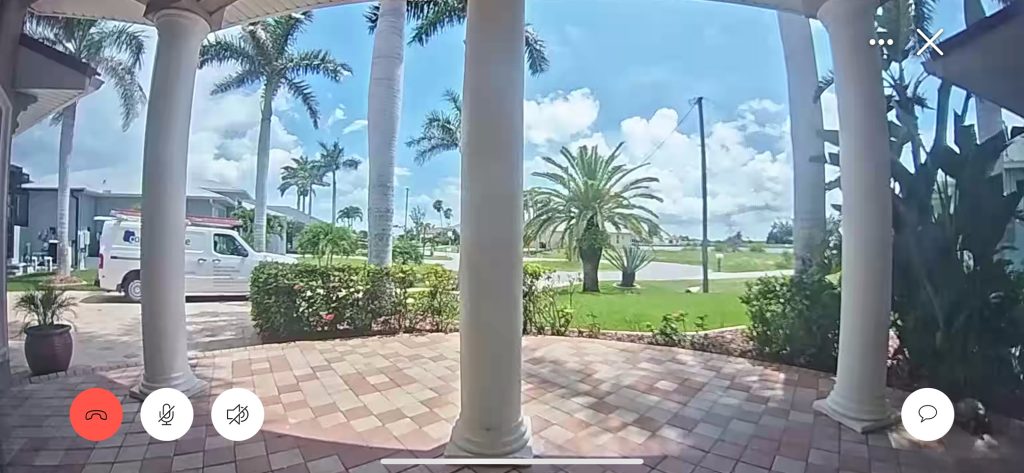
4. Advanced AI-Powered Security
Security systems are becoming more sophisticated, using AI for facial recognition and behavior analysis to differentiate between family members and potential threats, reducing false alarms. Features like biometric access control and integration with emergency services for faster response are also on the rise.

5. Health and Wellness Integration
The home environment is increasingly a hub for personal wellness. Smart homes will monitor indoor air quality (detecting pollutants like VOCs and CO2), adjust lighting for circadian rhythms, and track sleep patterns through smart beds and mirrors, often linking with wearable devices.
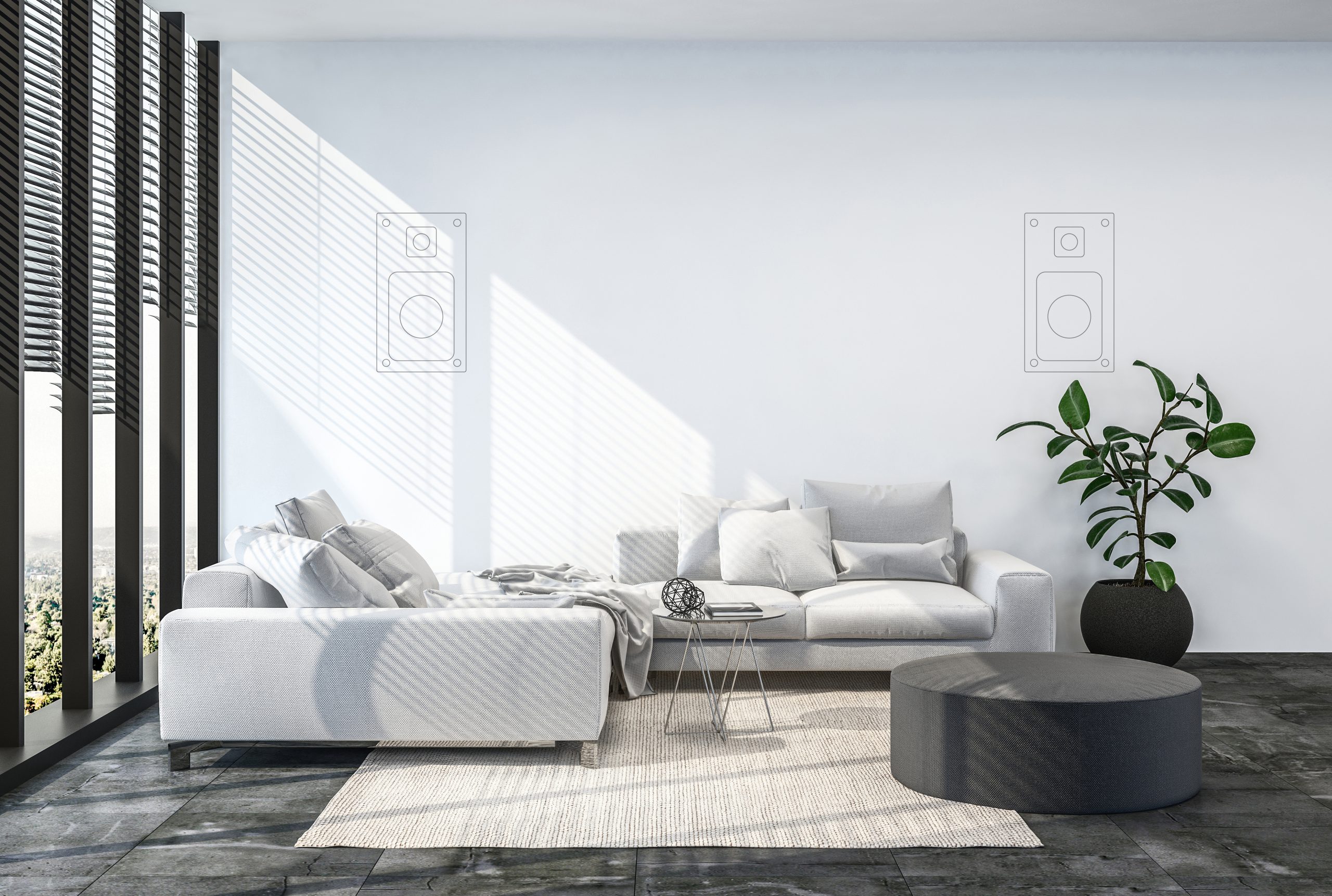
6. Embedded Voice Control
Voice assistants are moving beyond smart speakers and will be embedded into walls, mirrors, appliances, and furniture for more natural, whole-home interaction.
7. Edge Computing for Privacy and Speed
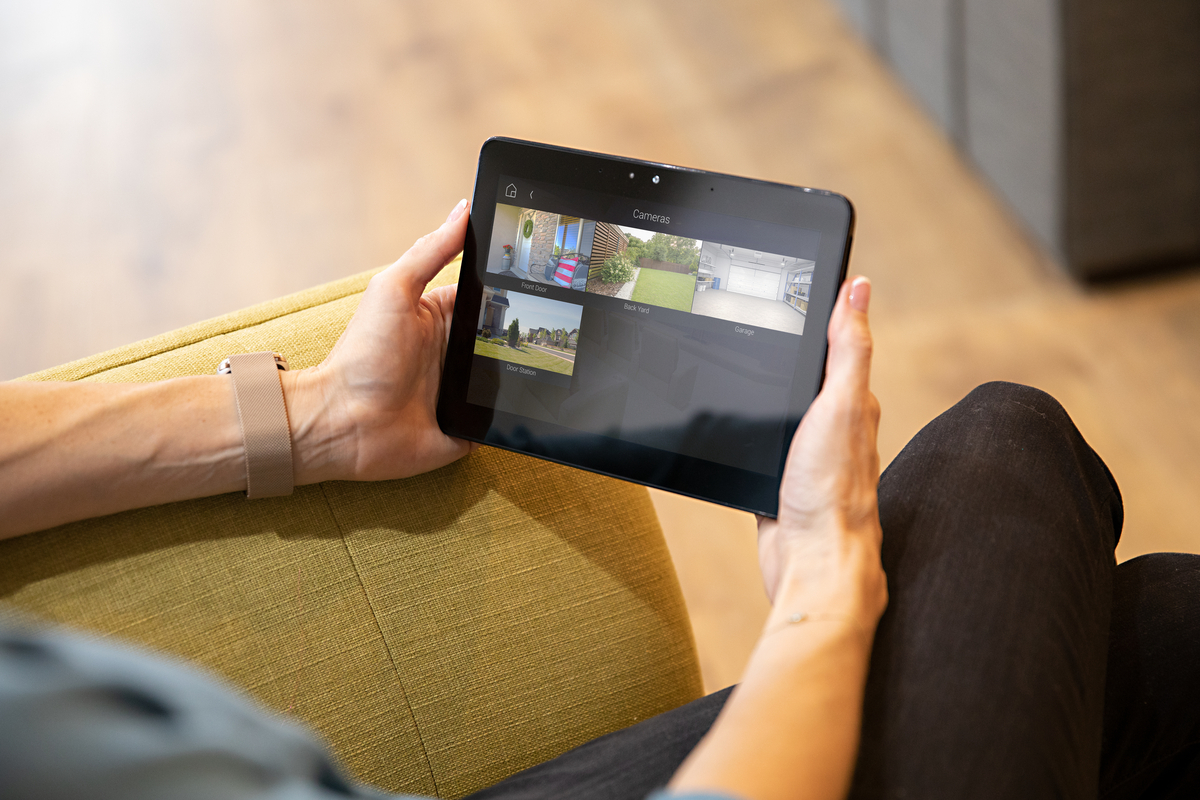
To enhance privacy and performance, more data processing will happen locally on the device (“at the edge”) rather than being sent to the cloud. This results in faster response times for critical systems like security cameras and ensures sensitive data remains within the home network.
8. Aesthetic and Integrated Design
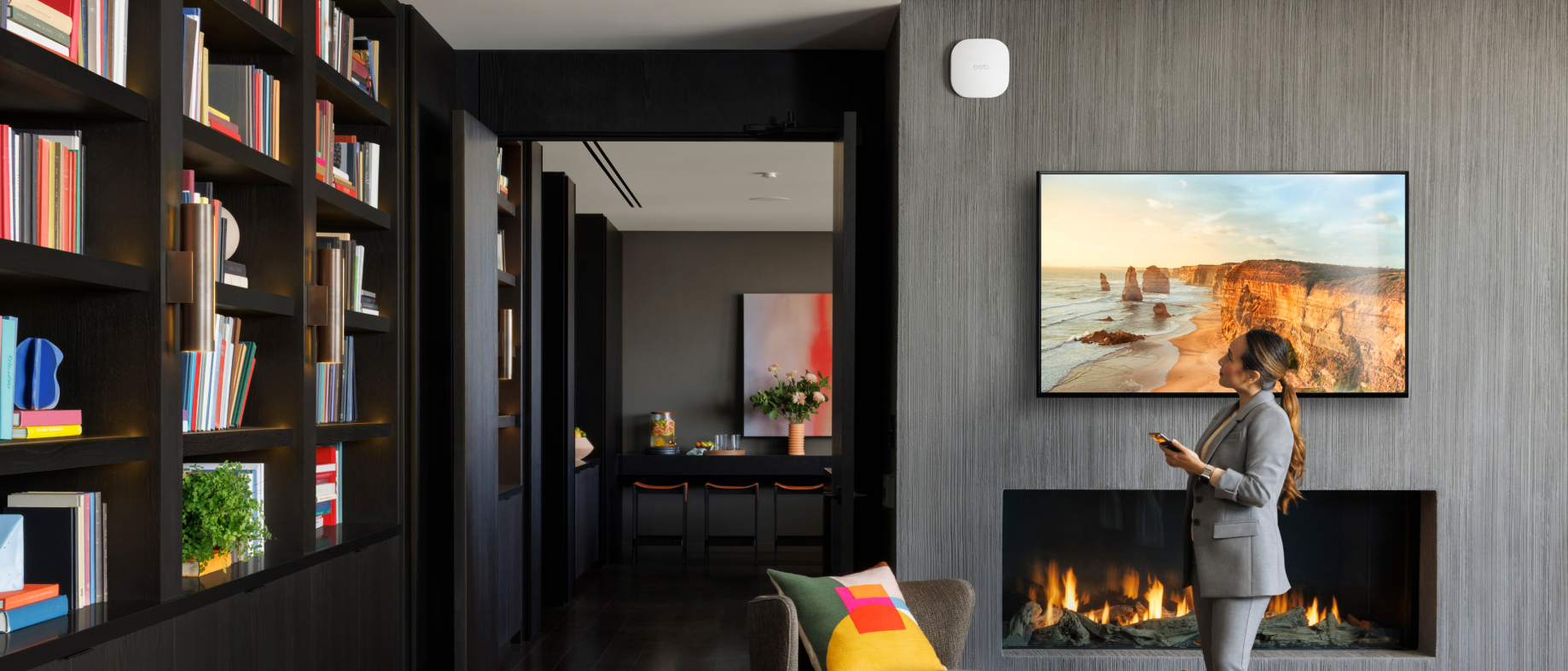
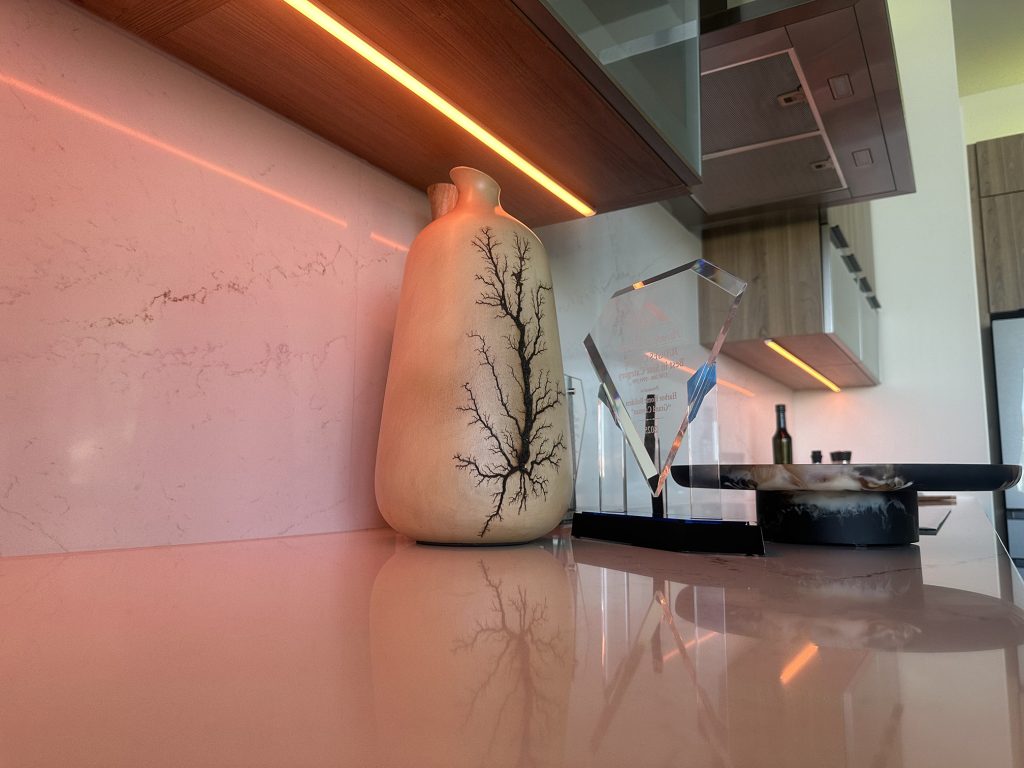
Smart tech is becoming less “techy” and is being designed to blend into home aesthetics. This includes hidden sensors, integrated lighting, and control panels that match the home’s interior design, making technology feel like an intentional part of the home’s architecture.